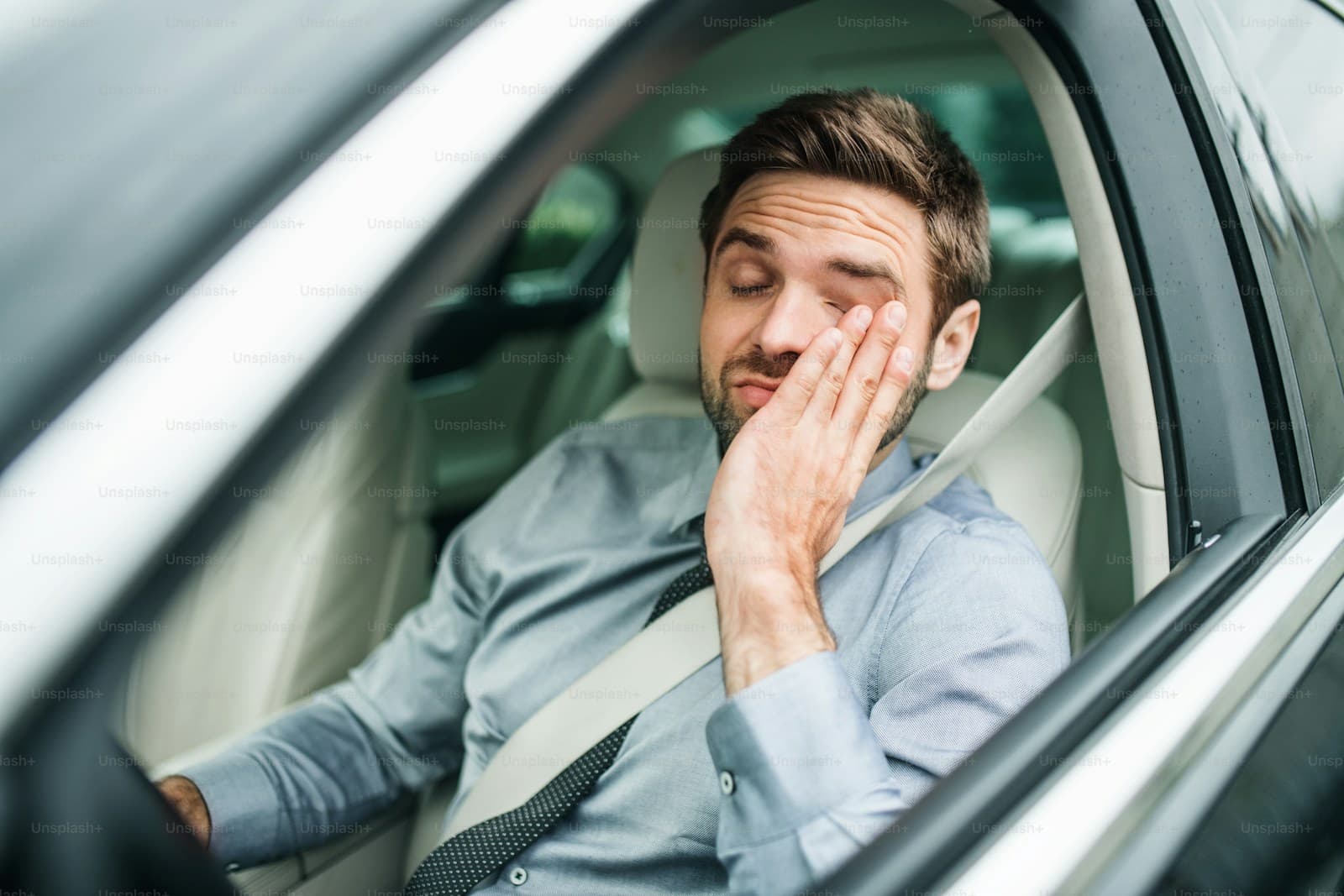
Medical Appointments During License Suspension in Missouri
You have a suspended Missouri driver's license and three dialysis appointments per week starting Monday morning. The treatment center is 18 miles from your home, sessions run four hours each, and you need to drive yourself because your spouse works full-time and medical transport services in your county don't operate on the required schedule. Missouri offers a court-based Limited Driving Privilege that can cover medical appointments, but the application path is more procedurally complex than employment-only hardship cases.
Missouri does not have a dedicated medical hardship license product. Medical-purposes driving falls within the state's broader Limited Driving Privilege framework, which is granted by circuit court petition rather than through the Department of Revenue. The court sets your permitted routes, approved destinations, and driving hours based on the specific medical need you document. This article walks the medical-LDP petition process for Missouri drivers, including the physician documentation the court requires, the alternative-transport defense you must overcome, and the SR-22 insurance requirement that applies when your underlying suspension involved DUI or certain other violations.
Compare car insurance rates in your state
Get quotes from licensed carriers — no obligation, no spam, results in minutes.
Get Your Free QuoteMissouri Reinstatement Fee Range
$20–$45
Missouri charges $20 for standard suspensions and $45 for alcohol-related revocations. The reinstatement fee is separate from the LDP petition filing fee and becomes due when your full license is eventually restored. Your LDP does not eliminate the reinstatement fee—it only allows restricted driving during the suspension period.
Missouri DOR Driver License Bureau fee schedule
Missouri's Limited Driving Privilege Is Court-Granted, Not DOR-Issued
Missouri maintains a dual-track suspension system. The Department of Revenue handles administrative suspensions—chemical test refusals under implied consent, point accumulations, SR-22 insurance lapses. Courts impose separate criminal suspensions for DWI convictions and other offenses. These suspensions can run concurrently, and each requires its own reinstatement process. The Limited Driving Privilege is granted by the circuit court, not by the DOR, even when the underlying suspension is administrative.
The LDP must be petitioned in the circuit court of the county where you reside. You cannot petition in the county where your offense occurred if you live elsewhere. Jurisdiction is county-locked. If you moved counties after your suspension began, you petition in your current residential county. The court reviews your petition, evaluates the documentation you submit, and decides whether to grant restricted driving privileges and under what conditions.
Medical-purposes driving is one of several approved LDP purposes under Missouri law. The court can authorize driving for employment, school, medical appointments, alcohol or drug treatment programs, and other court-approved needs. Your petition must specify medical appointments as the purpose and provide supporting documentation. The court sets the permitted routes, approved destinations, days of the week, and hours you are allowed to drive. These restrictions are enforceable—violating your LDP terms triggers automatic revocation and potential criminal penalties.
Missouri circuit courts have discretion to deny LDP petitions for certain serious revocations, including lifetime revocations for repeat DWI offenders and some vehicular homicide or assault convictions.
Physician Documentation and the Alternative-Transport Defense

Your physician or treatment center must provide a detailed letter confirming your medical condition, the treatment schedule including frequency and duration of appointments, and a statement that your condition or treatment schedule makes alternative transport impractical. The letter should specify appointment days, times, and duration. For dialysis patients, a letter confirming three sessions per week at four hours each, with specific start times, directly supports the LDP petition. For cancer treatment patients, include the chemotherapy or radiation schedule and any post-treatment observation periods that extend appointment duration.
Missouri courts evaluate whether Uber, Lyft, public transit, or county medical-transport programs are reasonable alternatives. Urban applicants face stricter scrutiny than rural applicants. If your county operates a medical-transport service, the court may ask why you cannot use it. Your physician letter should address this directly: treatment schedules that conflict with transport service hours, post-treatment side effects that make shared-ride services unsafe, or financial barriers if medical transport fees exceed what you can afford. Rural counties with no public transit or limited rideshare availability present stronger cases. Include a statement in your petition explaining why these alternatives do not work for your specific situation.
Related Articles



Required Documentation for Medical-LDP Petition
Missouri circuit courts require a formal petition, proof of SR-22 insurance if your suspension involved DUI or certain other violations, proof of the medical need, and verification of ignition interlock device installation if your case requires it. The petition form varies by county—contact the circuit clerk in your county of residence to obtain the correct LDP petition packet. Some counties provide downloadable forms; others require in-person pickup.
Proof of SR-22 insurance is mandatory for DUI-related suspensions and some other violation types. The SR-22 certificate must be filed by an authorized insurer directly with the Missouri Department of Revenue before your LDP petition can be granted. The court will not approve your LDP without proof that SR-22 is on file. If your suspension did not involve DUI, uninsured driving, or another violation requiring SR-22, you still need active liability insurance but not SR-22 filing. Verify your specific requirement by reviewing your suspension notice or contacting the DOR Driver License Bureau.
Ignition interlock device installation is required for repeat DWI offenders and certain first-offense DWI cases under Missouri law. House Bill 2110 created an immediate LDP pathway for first-offense DWI drivers who install an IID, bypassing part of the mandatory hard suspension period. If your case requires an IID, you must install the device with a DOR-approved vendor and obtain installation verification before petitioning for your LDP. The court will require proof of IID installation as part of your petition packet. IID rental typically costs $70–$100 per month plus installation and calibration fees.
Missouri LDP Court Processing Window
15–30 days
Processing time for Limited Driving Privilege petitions varies by circuit court caseload and whether your petition is contested. Straightforward medical-LDP cases with complete documentation typically resolve within 15–30 days from petition filing to court decision. Missing documentation or incomplete physician letters extend this timeline. File your petition as soon as you have all required documents—the court cannot backdate your LDP approval to cover driving that occurred before the petition was granted.
Caregiver Medical Driving and Dependent-Child Cases
Missouri courts can grant LDP for caregiver medical driving—transporting a dependent child or elderly parent to medical appointments when you are the primary caregiver. The documentation requirements are heavier than self-care medical LDP cases. You must provide proof of the dependent's medical need, proof of your relationship to the dependent, proof that you are the primary caregiver, and a statement explaining why the dependent cannot use alternative transport or be transported by another adult.
For dependent-child cases, include the child's medical records or a physician letter confirming the treatment schedule, proof of custody or guardianship, and a statement from any co-parent or other household adult explaining their unavailability to provide transport. Courts evaluate whether another licensed adult in the household can reasonably handle medical transport duties. Single-parent households or cases where the co-parent works conflicting hours present stronger caregiver-LDP justifications. For elderly-parent cases, include the parent's physician letter, proof of your role as primary caregiver, and documentation that the parent cannot drive themselves or use medical transport services due to mobility or cognitive limitations.
SR-22 Filing Setup for Medical-LDP Cases
If your suspension requires SR-22 insurance, you must obtain an SR-22 policy before filing your LDP petition. SR-22 is not a separate insurance product—it is a certificate filed by your insurer with the Missouri Department of Revenue proving that you carry at least the state minimum liability coverage: $25,000 bodily injury per person, $50,000 bodily injury per accident, and $25,000 property damage. Missouri requires SR-22 for two years following DUI suspensions, uninsured-accident suspensions, and certain other violations.
Carriers writing SR-22 in Missouri include Geico, Progressive, State Farm, The General, Dairyland, Bristol West, GAINSCO, and National General. Monthly premiums for SR-22 liability coverage typically range from $85–$160 for drivers with a DUI suspension, depending on your age, county, and prior insurance history. The SR-22 filing fee is usually $15–$50, paid once at policy inception. Your insurer files the SR-22 certificate electronically with the DOR—you do not file it yourself. Obtain proof of SR-22 filing from your insurer (the certificate or a letter confirming the filing) and include it in your LDP petition packet.
If you do not own a vehicle, you can obtain non-owner SR-22 insurance. Non-owner policies provide liability coverage when you drive a vehicle you do not own—borrowed cars, rental cars, or in medical-LDP cases, a family member's vehicle. Non-owner SR-22 premiums are typically lower than standard SR-22 policies because the insurer assumes lower mileage and occasional use. Non-owner SR-22 satisfies Missouri's SR-22 filing requirement and allows you to petition for your medical LDP even without owning a car.
File Your Petition and Monitor Compliance
Gather your physician letter, proof of SR-22 filing if required, ignition interlock installation verification if applicable, proof of relationship for caregiver cases, and completed LDP petition form. File the petition with the circuit clerk in your county of residence. Pay the court filing fee—varies by county, typically $50–$150. The clerk schedules a hearing date or reviews your petition administratively depending on local court procedure. Attend the hearing if one is scheduled. The judge reviews your documentation and decides whether to grant your LDP and under what route, time, and purpose restrictions.
Once your LDP is granted, the court provides a signed order specifying your permitted driving purposes, routes, days, and hours. Carry this order with you whenever you drive. Violating the terms of your LDP—driving outside permitted hours, deviating from approved routes, or driving for non-approved purposes—triggers automatic revocation and can result in criminal charges. If your treatment schedule changes, petition the court for an LDP modification rather than assuming the original order covers the new schedule.
SR-22 insurance must remain active for the full two-year period Missouri requires. If your insurer cancels your policy or you let coverage lapse, the insurer files an SR-26 cancellation notice with the DOR and your LDP is automatically revoked. Missouri does not provide a grace period for SR-22 lapses—the revocation is immediate upon cancellation filing. Compare SR-22 carriers now to lock coverage that fits your budget and prevents automatic LDP loss mid-suspension.