Minimum Coverage Requirements in Florida
Florida is a no-fault state, meaning your Personal Injury Protection (PIP) coverage pays your medical bills regardless of fault. The state requires proof of financial responsibility at all times and mandates a minimum of $10,000 PIP and $10,000 property damage liability. Medical-hardship licenses fall under Florida's general hardship license framework, documented as an approved permitted-purpose alongside employment or education driving.
Meeting the state minimum keeps you legal. See whether it's enough — get your Florida quote.
Get your Florida quoteHow Much Does Car Insurance Cost in Florida?
Medical-hardship license holders typically pay higher premiums due to the underlying suspension cause, not the hardship license itself. Florida carriers price based on violation history, coverage gaps, and the duration of the suspension. Applicants with DUI-related suspensions face the steepest increases.
What Affects Your Rate
- DUI or reckless-driving suspensions increase premiums 80–120% over baseline rates for the first three years after reinstatement.
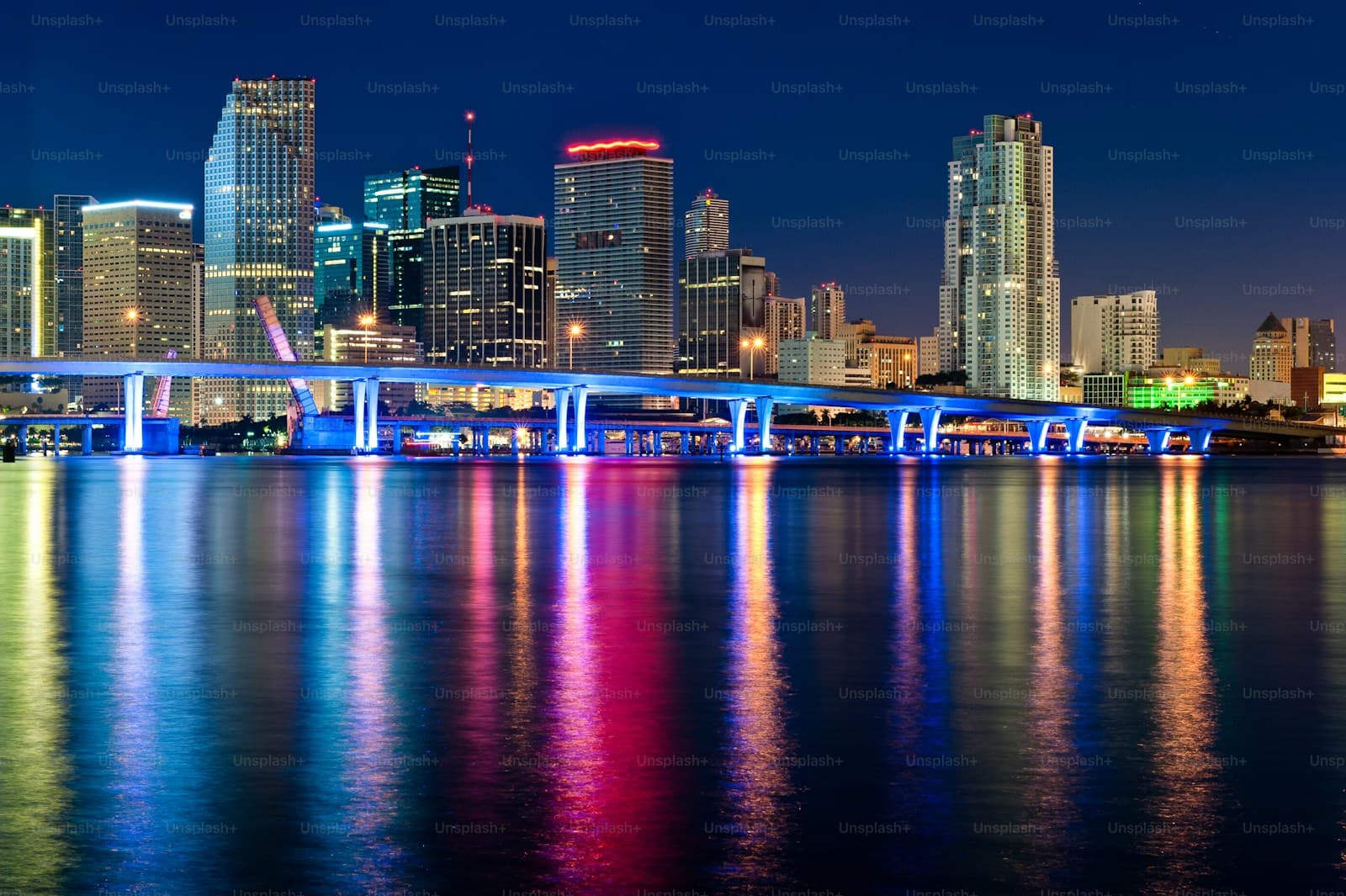
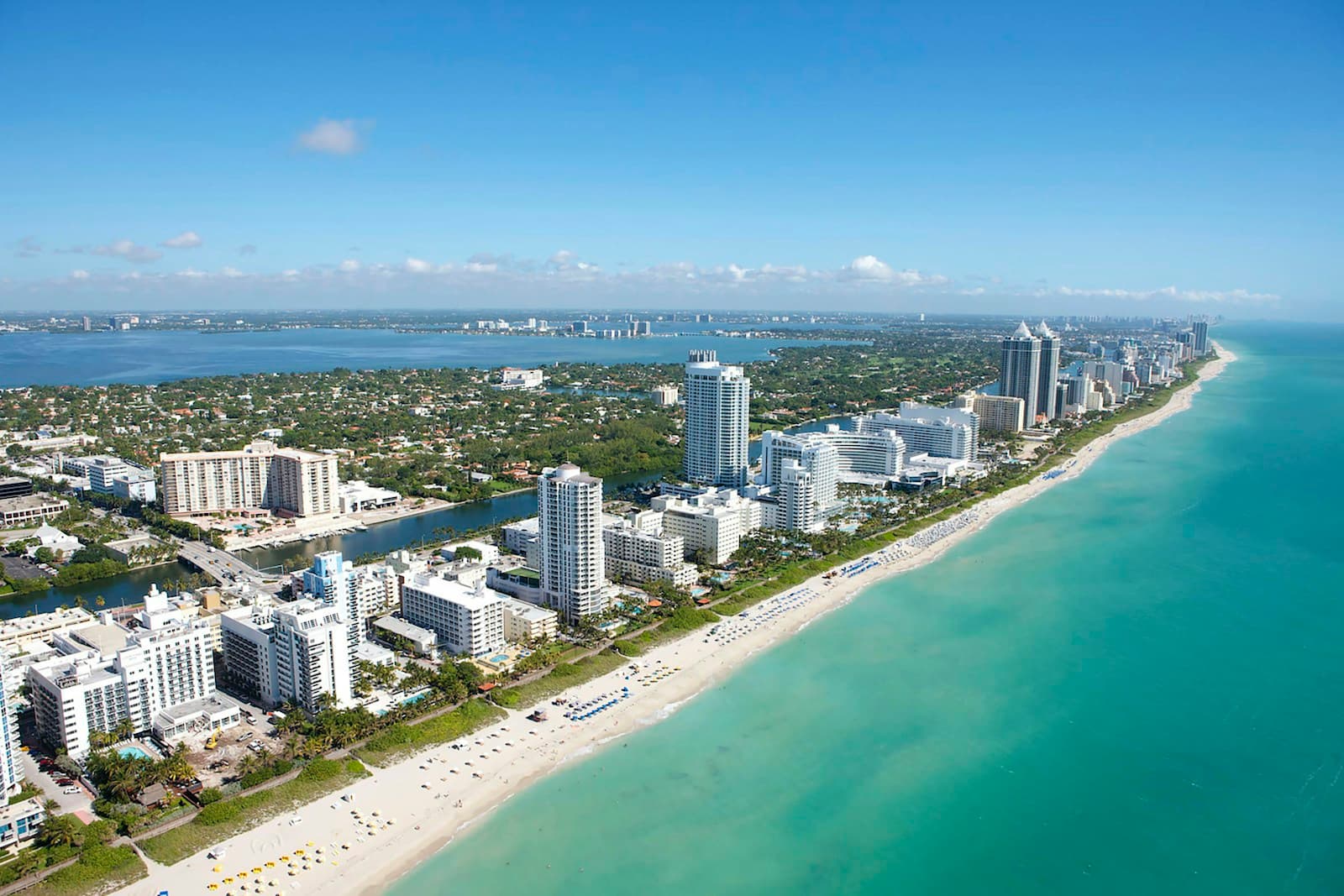
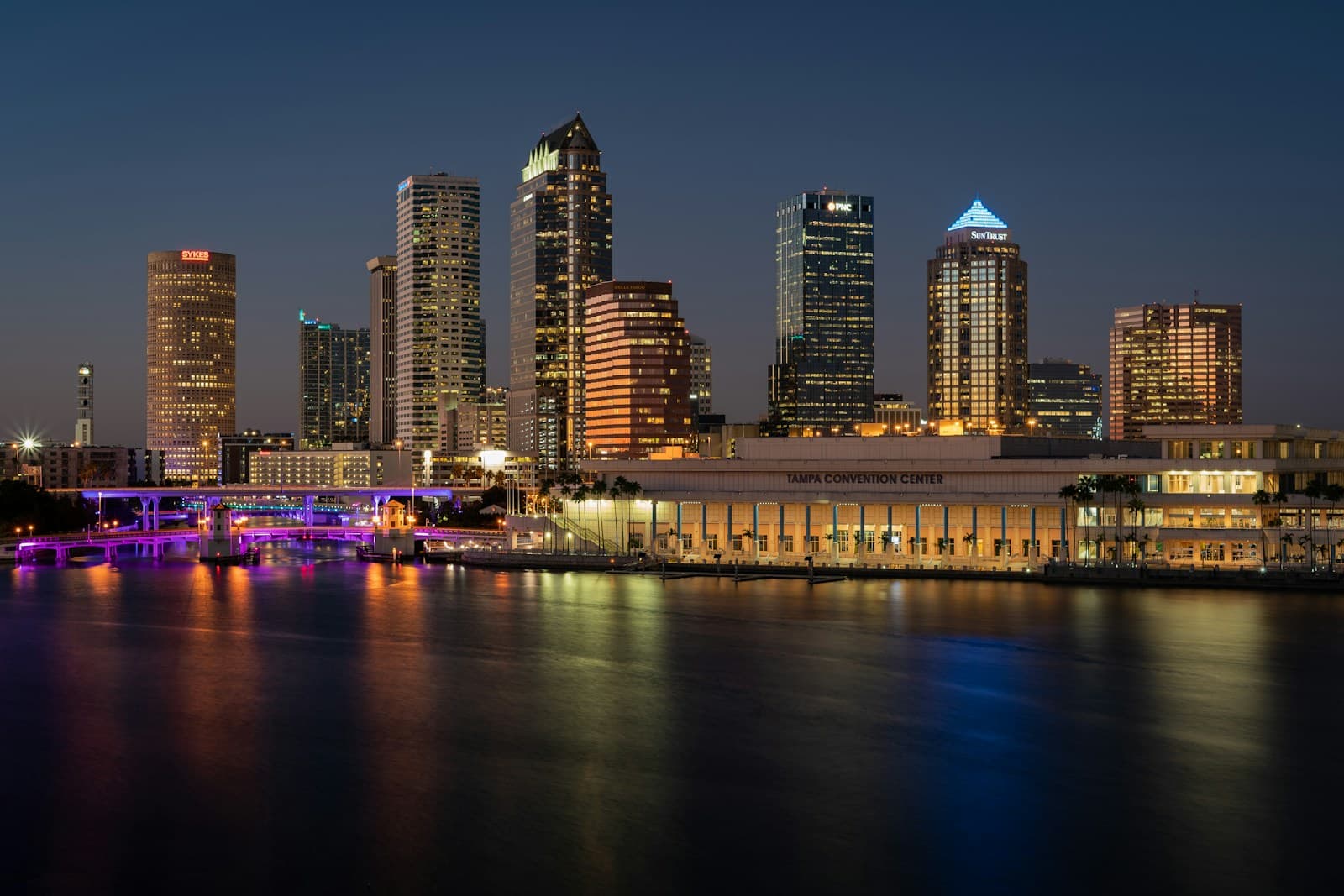
- Hardship-license routes are restricted to medical facilities, but carriers still price based on your residential ZIP code — Miami and Tampa ZIP codes average 15–25% higher than rural counties.
- Drivers over 60 seeking medical-hardship licenses for their own treatment may qualify for mature-driver discounts (5–10%) at carriers writing high-risk policies, partially offsetting violation surcharges.
- Caregiver applicants transporting dependents for medical care face the same premium impact as the underlying suspension cause — the dependent's medical need does not reduce rates.
- SR-22 filing adds $15–$25 annually but triggers non-standard auto placement, which raises base premium 40–70% regardless of driving record before the violation.
- Coverage gaps during suspension increase first-year post-reinstatement premiums 20–35% — maintaining non-owner SR-22 coverage during suspension prevents this penalty.
Compare car insurance rates in your state
Get quotes from licensed carriers — no obligation, no spam, results in minutes.
Get Your Free QuoteCoverage Types
Medical-Hardship SR-22 Insurance
SR-22 is a state-mandated certificate filed by your carrier proving you carry minimum liability coverage. Required for most DUI, reckless-driving, and no-insurance suspensions in Florida.
Non-Owner SR-22 for Medical Trips
Non-owner policies provide liability coverage when you drive a vehicle you don't own. Hardship applicants who rely on a family member's vehicle for medical transport may need this coverage.
Caregiver-Use Restricted Coverage
Liability policies structured for drivers transporting dependents to medical appointments. Covers bodily injury and property damage caused while driving for caregiver purposes.
Compliance-Only Medical-Hardship Coverage
Bare-minimum PIP and property damage liability designed to meet Florida's financial responsibility requirement during hardship periods. No bodily injury, collision, or comprehensive.