Updated May 2026
What Is Compliance-Only Coverage Insurance?
Compliance-only coverage is state minimum liability insurance with nothing else attached. You're buying exactly what the law requires to drive legally—bodily injury and property damage liability—without collision, comprehensive, medical payments, or any coverage that protects your own vehicle or medical bills. Most states require 25/50/25 or 15/30/5 liability limits, though requirements vary. For medical-hardship drivers applying for a restricted license after suspension, compliance-only is usually the cheapest way to meet SR-22 filing requirements, since you're not paying for collision or comprehensive coverage on a vehicle you may only use for treatment trips.
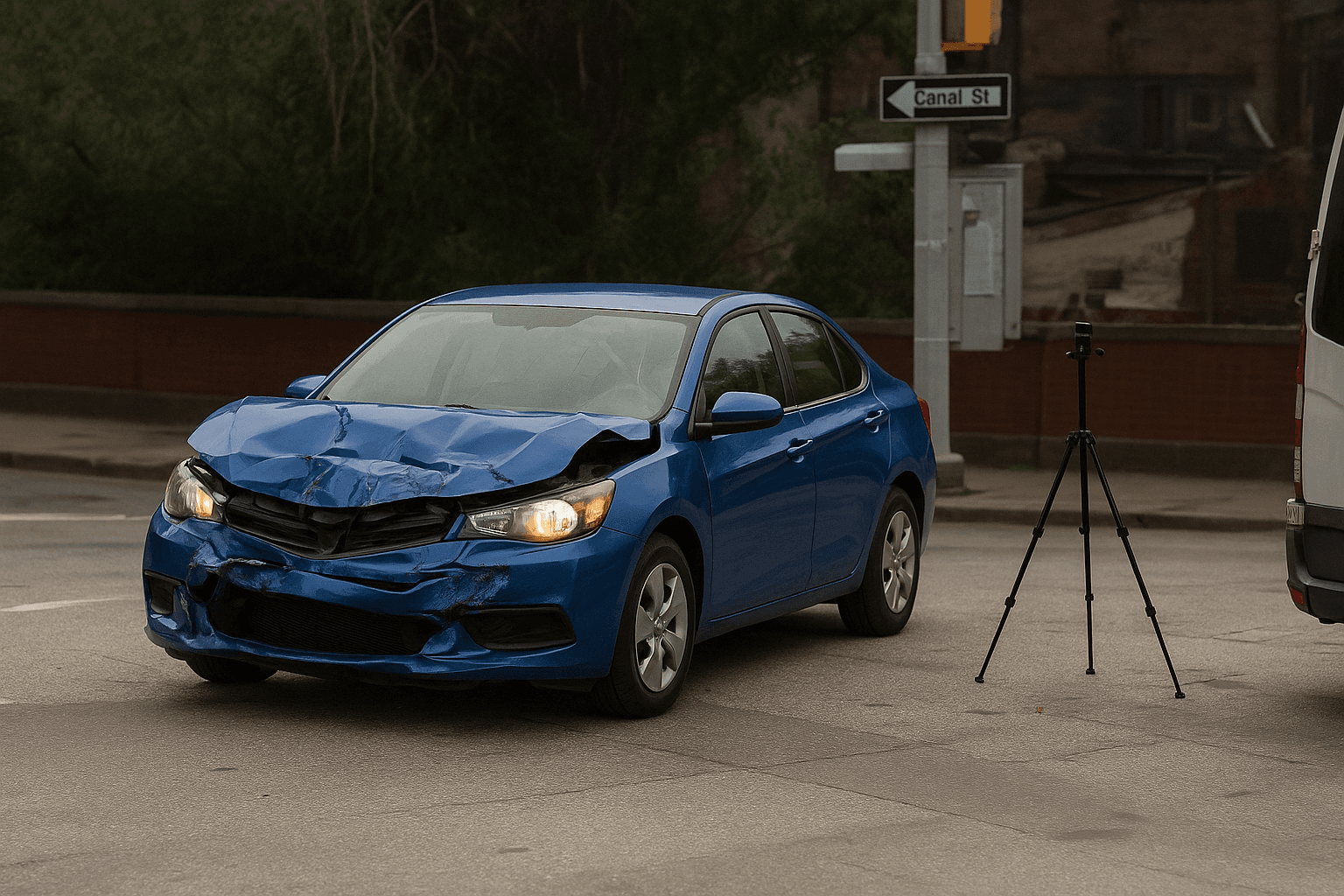
- The other driver has $8,000 in vehicle damage and $15,000 in medical bills. Your compliance-only policy covers those costs up to your liability limits. Your own car has $4,500 in front-end damage. You pay that $4,500 yourself, because compliance-only doesn't include collision coverage. If your state minimum is 25/50/25, you're covered. If it's 15/30/5, you're $3,000 over the property damage limit and personally liable for that gap.
- The other driver is uninsured. Your car is worth $7,200. Compliance-only coverage pays you nothing, because it only covers damage you cause to others. If your state requires uninsured motorist coverage as part of the minimum, that coverage pays your medical bills and lost wages, but it doesn't pay for your vehicle unless uninsured motorist property damage is also mandated. Most states don't require it. You're filing a lawsuit against the other driver or replacing your car out of pocket.
- You're the only vehicle involved. Your car has $3,800 in damage. Compliance-only liability coverage pays nothing for single-vehicle accidents. You need collision coverage to file a claim here, and compliance-only doesn't include it. If you're carrying a restricted medical-hardship license and can't afford to replace the vehicle, you're borrowing a car, coordinating rides, or missing treatment until you repair the vehicle yourself.
How Much Does Compliance-Only Coverage Insurance Cost?
Compliance-only coverage is your state minimum liability premium with no add-ons. For medical-hardship drivers with SR-22 filing requirements after suspension, expect $85–$180/month ($1,020–$2,160/year) depending on state minimums, violation history, and SR-22 filing fees. Non-standard carriers often quote $120–$220/month for drivers with DUI, multiple violations, or suspended-license history requiring SR-22.
- State minimum liability limits—higher minimums cost more, and medical-hardship states with 50/100/50 minimums run $40–$70/month higher than 25/50/25 states
- SR-22 filing fee if required for reinstatement—most states charge $15–$50 filing fee, but the premium impact from the violation history behind the SR-22 requirement is the real cost driver
- Violation history that triggered the suspension—DUI adds $1,200–$2,800/year to compliance-only premiums, multiple at-fault accidents add $900–$1,600/year, and suspended-license gaps can double your rate
- Zip code and commute density—even with compliance-only coverage, urban medical-treatment trips carry higher liability risk than rural dialysis runs, and carriers price that in
- Carrier acceptance of high-risk drivers—standard carriers often refuse compliance-only quotes for drivers with SR-22 requirements, forcing you into non-standard markets where base rates run 40–90% higher
See How Much You Could Save
Get personalized compliance-only coverage insurance quotes in minutes.
Who Needs Compliance-Only Coverage Insurance?
Compliance-only coverage is the right choice for medical-hardship drivers who need SR-22 filing to reinstate a suspended license, own an older vehicle worth less than $3,000, and can't afford full-coverage premiums while coordinating treatment schedules. If you're driving a 2008 sedan with 180,000 miles to dialysis three times a week and your only legal requirement is state minimum liability, compliance-only keeps you legal for the lowest possible monthly cost. It's also the correct option for caregivers using a dependent's vehicle for medical transport when the vehicle owner already carries collision and comprehensive on their own policy.
Add up your vehicle's current value, your ability to replace it without insurance, and your state's uninsured driver rate. If the vehicle is worth less than three months of collision/comprehensive premiums and you have $2,000–$4,000 in emergency savings to replace it, compliance-only makes sense. If you're one accident away from losing your only means of reaching treatment and you can't borrow a vehicle or coordinate alternative medical transport, add collision coverage even if it doubles your premium.