
Your License Expires With Your Suspension Period
Your medical hardship license arrived with an expiration date, but the DMV paperwork did not explain whether that date is a renewal checkpoint or the end of your eligibility. You scheduled dialysis around approved driving hours for six months, and now you need to know if you start over with another court petition or just submit updated paperwork. The confusion is structural: most states do not treat medical hardship as a standalone license product with its own renewal cycle. It is a restricted driving privilege tied directly to your underlying suspension period.
When your suspension ends, your hardship license expires automatically. The expiration date on your restricted license matches your reinstatement eligibility date, not a calendar-year renewal window. If your suspension runs three years from conviction, your medical hardship license expires three years from conviction. Some states issue hardship licenses in shorter increments within that suspension window and require reapplication every six or twelve months, but the outer boundary is always your suspension term. You are not renewing a separate product. You are reapplying for continued restricted driving within an active suspension.
Compare car insurance rates in your state
Get quotes from licensed carriers — no obligation, no spam, results in minutes.
Get Your Free QuoteTypical Hardship License Term
6–12 months
Most states issue medical hardship licenses in six-month or twelve-month terms even when the underlying suspension runs longer. California issues Restricted Licenses for the full suspension period. Texas issues Occupational Driver Licenses in one-year terms regardless of suspension length. Each term requires a new petition with updated physician verification.
State DMV hardship license program guidelines
Reapplication Means Full Documentation Again
When your hardship license term expires mid-suspension, you do not file a renewal form. You reapply from the beginning. That means a new court petition in petition-based states like Texas, Missouri, and North Carolina, or a new administrative application in states like California and Oklahoma that handle hardship through the DMV. The distinction matters because petition-based reapplication adds court filing fees, hearing dates, and judge discretion to a process you already completed once.
The physician verification letter you submitted the first time does not carry forward. Your doctor must write a new letter confirming your medical condition still requires personal driving, your treatment schedule has not changed in a way that makes alternative transport viable, and that you have complied with all previous restrictions. If your dialysis schedule moved to a clinic closer to public transit, or if your oncology treatment shifted to a less frequent maintenance protocol, the court or DMV may deny reapplication on grounds that alternative transport is now practical. Medical hardship is not permanent. It is conditional on ongoing medical necessity.
Some states also require proof that you did not violate your previous hardship license terms. If you were cited for driving outside approved hours or purposes during your first term, your reapplication will likely be denied even if your medical need remains unchanged. The restricted license is a privilege, not a right, and compliance history controls reapplication outcomes in most jurisdictions.
Most states require updated physician letters proving your medical need persists and alternative transport remains impractical — the original letter does not carry forward to reapplication.
What Reapplication Requires in Petition States
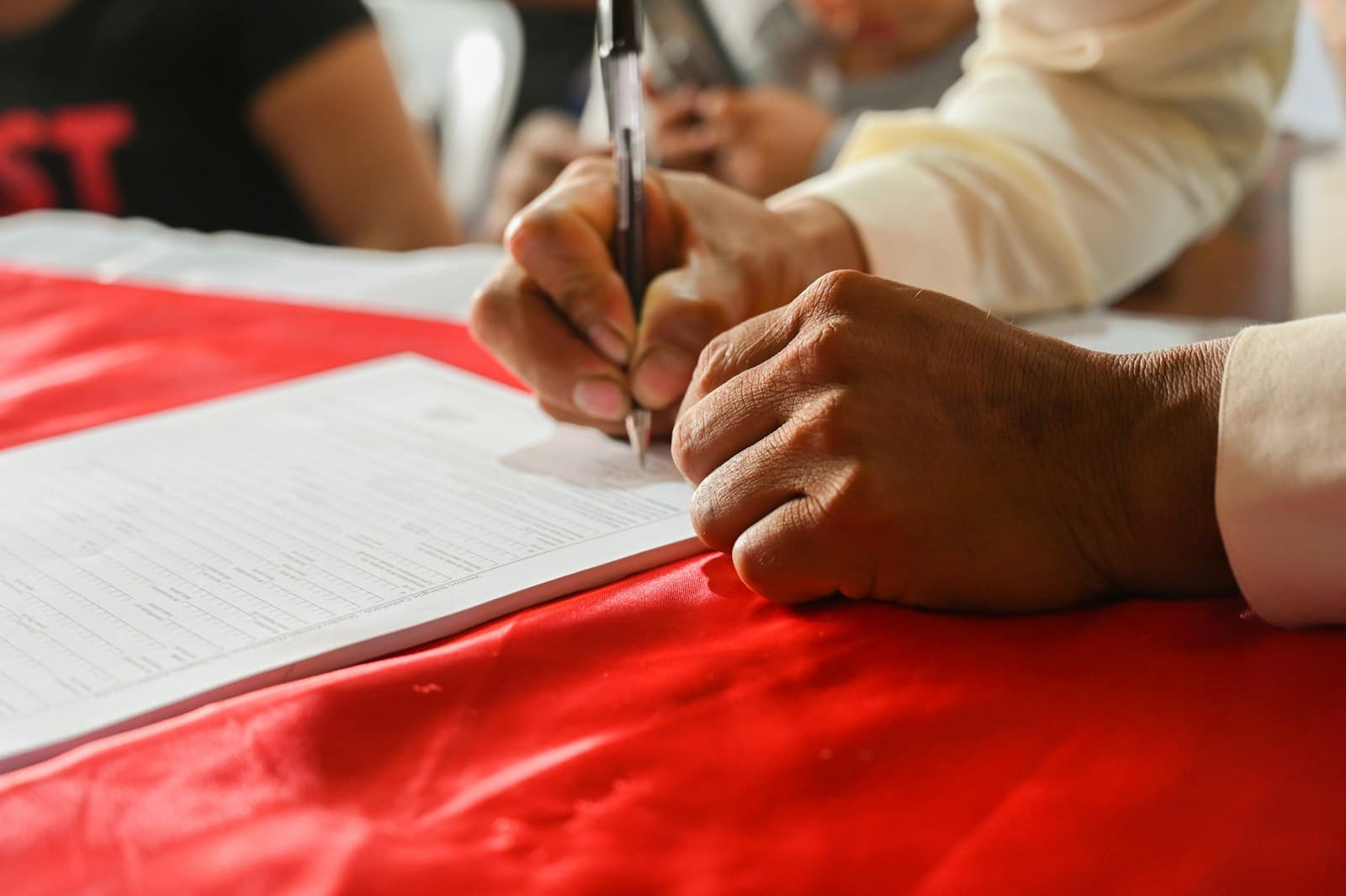
You file a new petition with the district or circuit court that issued your original hardship order. The petition must include an updated physician letter dated within 30 days of filing, proof of SR-22 insurance if your underlying offense requires filing, proof of completion of any court-ordered programs like DUI education, and a sworn statement that you complied with all terms of your previous hardship license. Court filing fees apply again, typically $150–$300 depending on county. Some counties require a new hearing; others approve reapplication administratively if no violations occurred during the prior term.
The timeline mirrors initial application. Missouri courts typically take 14–21 days from petition to hearing. Texas courts in rural counties often approve reapplication within 10 days if no objections are filed; urban counties like Harris and Dallas take 30–45 days. North Carolina requires a hearing in most counties, adding 3–6 weeks to the process. If your hardship license expires before the court approves your reapplication, you lose legal driving authority during the gap. Plan reapplication at least 60 days before your current term expires to avoid a lapse.
Related Articles




Administrative Reapplication in DMV-Controlled States
California, Wisconsin, and Michigan handle medical hardship through administrative DMV processes rather than court petitions. Reapplication is simpler procedurally but still requires full documentation. You submit a new Driver Safety office application, updated physician verification, proof of insurance, and payment of the reapplication fee. California charges no additional fee for Restricted License reapplication if your original suspension has not ended. Wisconsin charges $50 for each Occupational License term. Michigan's Secretary of State office charges $45 per reapplication.
Processing times are shorter than petition-based states. California Driver Safety offices typically approve reapplication within 7–10 business days if documentation is complete. Wisconsin approves most occupational license renewals within 5 business days. Michigan takes 10–14 days. The administrative path removes judge discretion, but DMV staff apply the same medical-necessity test: your physician must prove ongoing treatment need and document why alternative transport remains impractical.
If your medical condition improved or your treatment schedule changed in a way that makes Uber, public transit, or medical transport services viable, the DMV will deny reapplication. This happens most often with cancer patients who complete active treatment and shift to quarterly monitoring appointments. The state considers quarterly trips schedulable around public transit or rideshare, even in rural areas. Your physician's letter must address alternative-transport availability directly to survive this review.
Court Reapplication Filing Fee
$150–$300
Petition-based states charge court filing fees for each hardship license term. Texas district courts charge $200–$280 depending on county. Missouri circuit courts charge $150–$225. North Carolina varies by judicial district but averages $175. These fees are separate from the initial petition cost and apply every time you reapply.
County clerk fee schedules, Texas, Missouri, North Carolina
SR-22 Filing Continues Across Terms
If your underlying suspension requires SR-22 filing, that requirement does not reset when you reapply for a hardship license. Your SR-22 filing runs continuously for the full state-mandated period, typically three years from conviction for DUI triggers. Your insurance carrier maintains the filing across hardship license terms without interruption. You do not refile SR-22 when you reapply for restricted driving.
The confusion arises because some states mail separate SR-22 verification to the DMV when you reapply for hardship, creating the false impression that a new filing is required. That mailing is administrative confirmation that your SR-22 remains active, not a new filing. Your carrier charges no additional SR-22 fee for hardship reapplication unless you changed carriers during your first term and need to transfer the filing. Verify your SR-22 status 30 days before reapplying to confirm continuous coverage. A lapse during reapplication will cause automatic denial in most states.
Plan Reapplication 60 Days Before Expiration
Start your reapplication process 60 days before your current hardship license expires. Contact your physician's office to request an updated verification letter. The letter must be dated within 30 days of your filing date in most states, so coordinate timing carefully. Gather proof of insurance, SR-22 verification if applicable, and documentation of any court-ordered program completion. If you are in a petition state, contact the court clerk to confirm current filing procedures and hearing schedules. Some counties moved to remote hearings post-2020; others require in-person appearances.
If you wait until the week before expiration, you will almost certainly experience a lapse. Court petition processing takes 14–45 days depending on jurisdiction. DMV administrative processing takes 7–14 days. Physician offices often take a week to produce verification letters. Cutting it close leaves you without legal driving authority during the gap, which means missing dialysis, oncology appointments, or dependent medical transport. The consequence is not just inconvenience. It is medical risk. Treat reapplication as a 60-day procedural window, not a last-minute form submission.