
The Court Approved Your Medical-Purposes Permit, But Not the Cost Stack
You walked out of Superior Court with a Georgia Limited Driving Permit approving dialysis runs, oncology appointments, or dependent medical transport. The judge confirmed your route. The paperwork lists the approved medical facility addresses. But the court order doesn't itemize what happens next: ignition interlock device installation ($70–$150 upfront), monthly IID rental ($70–$90), SR-22 filing fees ($25–$50 per filing), and the premium increase on your underlying policy that now labels you high-risk. Before your first medical trip, the cost stack is already running $350–$450 per month.
Georgia's Limited Driving Permit structure requires ignition interlock installation for virtually all permit categories under HB 205 (effective July 2024), including medical-purposes permits. The court approves the permit. The DDS processes the ignition interlock compliance. The insurance carrier files the SR-22 and recalculates your premium tier. None of these entities coordinate cost disclosure before you're locked into the permit.
Compare car insurance rates in your state
Get quotes from licensed carriers — no obligation, no spam, results in minutes.
Get Your Free QuoteGeorgia IID Monthly Rental
$70–$90/mo
After upfront installation ($70–$150), the ignition interlock device rental is a recurring monthly cost for the full duration of the Limited Driving Permit. Georgia vendors include Smart Start, Intoxalock, and LifeSafer; pricing varies by vendor contract and county.
Georgia DDS-approved IID vendor pricing schedules
SR-22 Filing Adds a Second Recurring Layer
If your suspension trigger was DUI, uninsured motorist violation, or certain reckless driving charges, Georgia DDS requires SR-22 proof-of-insurance filing maintained continuously for 3 years post-reinstatement. The filing itself costs $25–$50 depending on carrier. The real cost is the premium recalculation: carriers move you into non-standard or high-risk tiers, adding $80–$180 per month to your base liability premium.
The SR-22 filing must remain active for the full 3-year period. If your carrier cancels the policy or you let coverage lapse for any reason, the carrier notifies DDS electronically within 24 hours under Georgia's GEICS system. DDS automatically re-suspends your driving privileges. The medical-purposes permit becomes void. You start the application process again from zero, including new court petition and new fees.
Not all suspension triggers require SR-22. Points accumulation, unpaid tickets, and child support arrears typically do not. But DUI-related and uninsured-motorist Limited Driving Permits do. Check your court order and DDS suspension letter carefully: the SR-22 requirement is stated explicitly if applicable.
The court approves your medical-purposes permit. DDS enforces ignition interlock compliance. The insurance carrier files SR-22 and recalculates premium. None of these three entities coordinate cost disclosure upfront.
The Full Monthly Cost Stack for Medical-Hardship Drivers
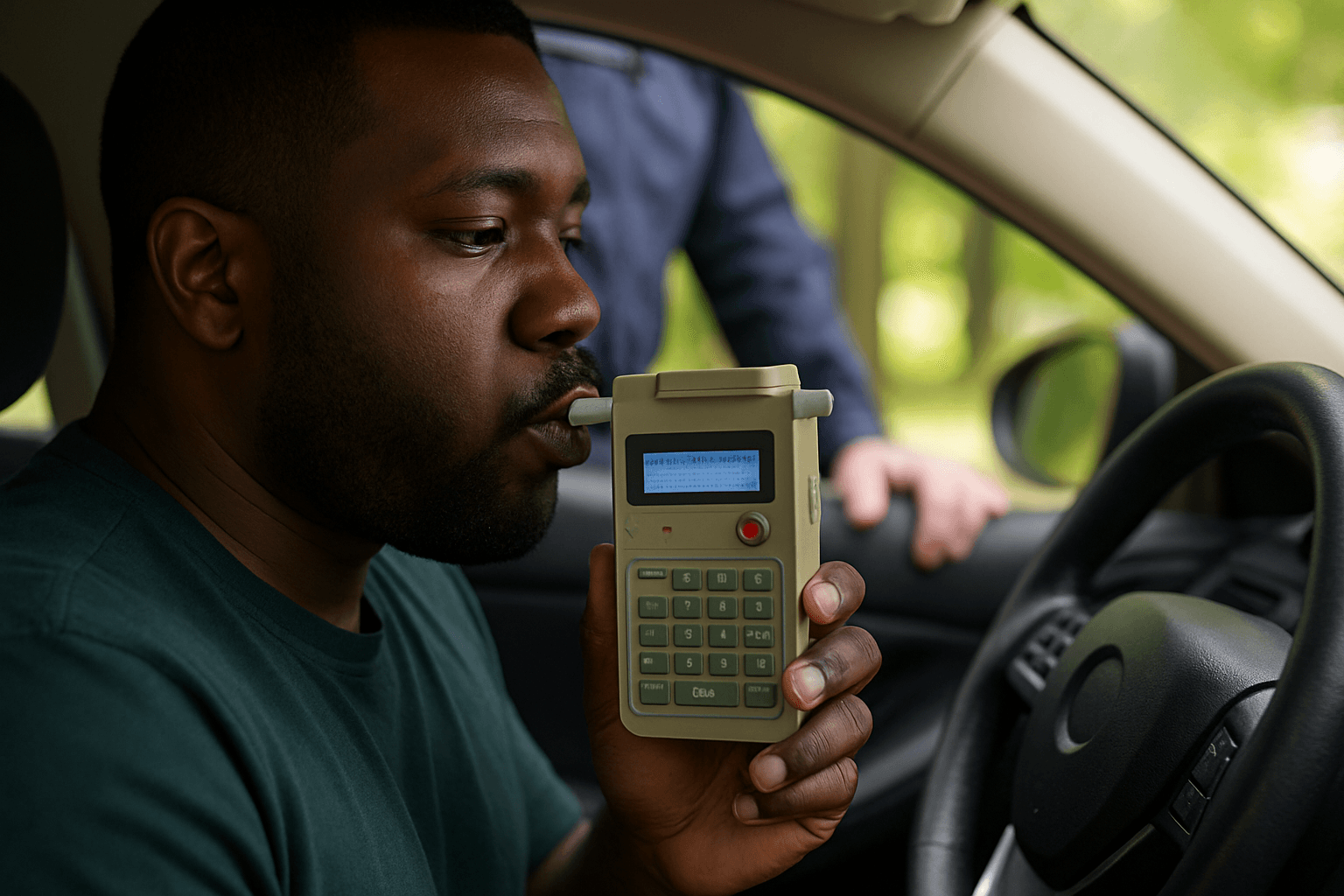
Ignition interlock rental runs $70–$90 per month depending on vendor. Smart Start, Intoxalock, and LifeSafer are the three primary DDS-approved vendors in Georgia; pricing differs slightly by service contract and county. The rental fee is non-negotiable once the court orders IID installation as a permit condition. Monthly calibration appointments (required every 30–60 days) may add $10–$20 per visit depending on vendor policy.
SR-22 liability insurance premium increase adds $80–$180 per month on top of your base policy cost. Carriers writing SR-22 in Georgia include GEICO, Progressive, State Farm (select counties), Dairyland, and non-standard carriers like Acceptance and Direct Auto. The premium tier shift is automatic once the carrier files SR-22 with DDS. Non-owner SR-22 policies (for drivers without a registered vehicle) run $50–$90 per month and satisfy the SR-22 filing requirement if you're only driving borrowed or family-owned vehicles for medical trips.
Related Articles






Application and One-Time Upfront Costs
The Limited Driving Permit petition filed in Superior Court carries no universal statewide fee; counties set their own filing charges. Typical range: $150–$300 depending on county clerk schedules. Some counties waive the fee for medically-documented hardship cases; others do not. Ask the clerk when filing your petition.
Ignition interlock installation is a one-time upfront charge: $70–$150 depending on vehicle type and vendor. The vendor technician hard-wires the device into your ignition system. Installation typically takes 60–90 minutes and must occur at a DDS-approved service center. You cannot drive the vehicle off the lot until installation is complete and the vendor has transmitted the compliance record to DDS.
If your underlying policy lapsed before suspension, expect a lapse penalty surcharge from most carriers: $50–$100 added to the first month's premium. Georgia's GEICS system flags registration-to-insurance mismatches in near-real-time, so carriers know if you had a gap. Non-standard carriers sometimes waive lapse penalties for medical-hardship applicants if you provide the court order and physician documentation upfront.
Total Georgia Medical-Hardship Monthly Cost
$350–$450/mo
Combines ignition interlock rental ($70–$90), SR-22 liability premium increase ($80–$180), base liability policy ($120–$150 for minimum 25/50/25 state limits), and calibration appointment costs ($10–$20 every 30–60 days). One-time upfront costs (court filing, IID installation) add $220–$450 before the first month.
Georgia DDS IID vendor schedules and carrier SR-22 rate filings
Route Compliance and the Cost of Permit Violations
Georgia Superior Court judges define your approved medical-purposes routes in the Limited Driving Permit order. The order lists the approved medical facility address, your residence address, and sometimes an approved pharmacy or dependent's school if caregiving transport is included. Driving outside these approved routes for any reason voids the permit immediately. The ignition interlock device does not enforce route compliance; it only prevents engine start if alcohol is detected. Route enforcement is manual: if law enforcement stops you outside the approved route perimeter, the permit is revoked on-site.
Permit revocation triggers automatic DDS suspension reinstatement of the original suspension period. You lose the medical-purposes driving privilege. The ignition interlock device remains installed (you still owe monthly rental until the vendor removes it). The SR-22 filing remains active (you still owe the premium). But you cannot legally drive. Reinstating after a permit violation requires a new court petition, new filing fees, and often a new DDS administrative hearing. Total cost to recover: $400–$700 depending on county and whether you need legal representation for the new petition.
Compare Carriers Before the First SR-22 Filing
Not all carriers writing SR-22 in Georgia price medical-hardship cases the same way. GEICO and Progressive offer online SR-22 quotes and can file electronically with DDS within 24–48 hours. State Farm writes SR-22 selectively by county; availability depends on your residence ZIP code. Non-standard carriers (Dairyland, Acceptance, Direct Auto, Bristol West) specialize in high-risk and post-suspension drivers and often return lower premiums for DUI-related SR-22 cases than standard carriers.
Request quotes from at least three carriers before selecting one. Provide your court order, physician documentation, and DDS suspension letter upfront. Carriers need these documents to confirm SR-22 filing requirements and calculate the correct premium tier. If you're driving a borrowed or family-owned vehicle for medical trips only, ask explicitly about non-owner SR-22 policies: these satisfy Georgia's SR-22 filing requirement at half the cost of a standard owner policy.
Once the carrier files SR-22 with DDS, switching carriers mid-period requires the new carrier to file a replacement SR-22 and the old carrier to file an SR-26 cancellation notice. The SR-26 triggers an automatic DDS compliance check. If the replacement SR-22 filing has not posted before the SR-26 processes, DDS suspends your driving privileges for lapse. Coordinate the switch carefully: confirm the new carrier has filed and received DDS confirmation before canceling the old policy.
Next Step: Get Three SR-22 Quotes Before Your First Medical Trip
You have the court-approved Limited Driving Permit. The ignition interlock vendor has scheduled installation. The cost stack is now visible. The next concrete step: request SR-22 quotes from at least three Georgia-licensed carriers before the permit effective date. Provide your court order, physician letter, and DDS suspension notice to each carrier. Compare monthly premium, filing fee, and whether they offer non-owner SR-22 if you're driving borrowed vehicles only. Lock coverage before the permit start date to avoid a compliance gap that voids the permit on day one.