
When Medical-Only Driving Still Requires SR-22
You lost your license to a DUI, insurance lapse, or accumulated violations. You applied for a hardship license specifically for medical appointments—dialysis three times weekly, oncology treatment, or transporting your elderly parent to a cardiologist. The hardship application was approved. Now you discover the state still requires SR-22 filing even though you will drive fewer than 50 miles per month, none of it to work or school.
The structural reality: SR-22 filing requirements attach to the suspension trigger, not the purpose or mileage of your approved hardship driving. If your underlying violation mandates SR-22—most DUI cases, insurance lapse suspensions, and some reckless driving convictions do—the state requires the filing regardless of whether you drive daily to work or monthly to dialysis. Medical-purposes hardship does not exempt you from the SR-22 requirement your violation created.
Compare car insurance rates in your state
Get quotes from licensed carriers — no obligation, no spam, results in minutes.
Get Your Free QuoteNon-Owner SR-22 Premium Range
$25–$45/month
Non-owner SR-22 policies meet state filing requirements for drivers who do not own a vehicle and drive infrequently. Medical-only drivers typically fall into this category, and non-owner policies cost 60–75% less than standard owner policies with SR-22 endorsements.
Industry rate data aggregated from major non-standard carriers offering non-owner SR-22 products
Why Medical-Only Use Does Not Lower SR-22 Costs
SR-22 is a state filing requirement, not an insurance product. The filing itself costs $15–$50 depending on carrier and state. Your actual premium depends on whether you own the vehicle you drive for medical appointments, your driving record, and the violation that triggered the suspension.
Carriers do not discount premiums based on mileage promises or medical-purposes restrictions. The state hardship license limits when and where you can drive, but your insurance policy must meet the state's minimum liability limits regardless of how few miles you drive. Carriers price the policy based on violation history and vehicle ownership status, not intended use.
Medical-only drivers face the same SR-22 filing fee and similar underwriting scrutiny as employment-hardship drivers. The cost difference comes from policy type, not use-case.
Medical-purposes hardship does not create a separate SR-22 category. If your suspension trigger requires SR-22, you need the filing regardless of approved driving purposes.
Non-Owner SR-22 as the Cheapest Medical-Only Path

A non-owner SR-22 policy provides state-minimum liability coverage when you drive a vehicle you do not own. The policy follows you, not a specific vehicle. Premiums typically range $25–$45/month for drivers with one violation and no recent at-fault accidents. This is 60–75% cheaper than adding SR-22 to a standard owner policy because the carrier assumes lower exposure—you drive less frequently and do not have continuous access to a vehicle.
Non-owner SR-22 works for medical-only drivers who borrow vehicles for dialysis runs, treatment appointments, or transporting elderly parents to specialists. The policy satisfies the state's SR-22 filing requirement and the hardship license's proof-of-insurance requirement simultaneously. You maintain the filing for the duration the state mandates—typically three years from reinstatement for DUI cases, one year for insurance lapse suspensions—without paying premiums on a vehicle you do not own.
Related Articles

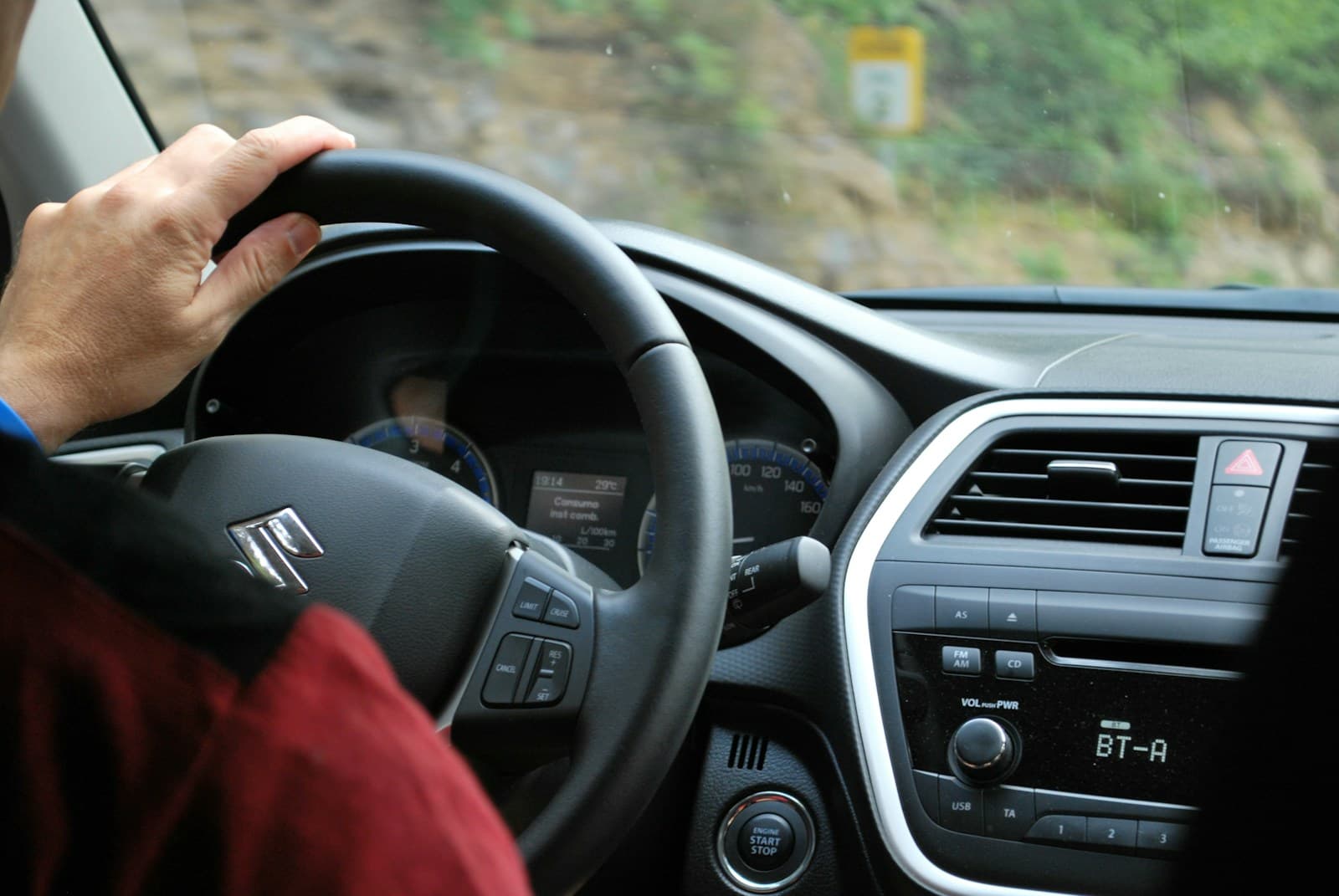




When You Own the Vehicle You Drive for Medical Trips
If you own the vehicle you drive to medical appointments, you need a standard auto policy with SR-22 endorsement, not a non-owner policy. Premiums for owner policies with SR-22 endorsements typically start at $110–$180/month depending on the vehicle, your violation history, and state minimum liability limits.
The cost difference is structural. Owner policies cover physical damage risk to the vehicle itself in addition to liability exposure. Non-owner policies cover only your liability when driving someone else's vehicle. Carriers cannot sell you a non-owner policy if you own the car you drive, even if you drive it infrequently for medical purposes only.
Some medical-only drivers transfer vehicle ownership to a spouse or family member to qualify for non-owner SR-22 rates. This works only if the other person genuinely owns and insures the vehicle under their own policy. Misrepresenting ownership to obtain non-owner rates is insurance fraud and will void your policy if discovered during a claim or audit.
Typical SR-22 Filing Duration After DUI
3 years
Most states require SR-22 filing for three years from license reinstatement after a DUI conviction. The clock starts when you regain full driving privileges, not when you obtain a hardship license. Medical-only drivers serve the same filing period as employment-hardship drivers.
State DMV reinstatement requirements for DUI suspensions
Finding Carriers Who Write Medical-Only Non-Owner SR-22
Not all carriers write non-owner SR-22 policies, and fewer write them for medical-purposes hardship licenses specifically. Standard carriers like State Farm and Allstate rarely write non-owner policies for suspended drivers. Non-standard carriers specializing in high-risk auto insurance—Progressive, The General, National General, Bristol West—write most non-owner SR-22 policies.
When requesting quotes, specify that you hold a hardship license restricted to medical purposes and do not own a vehicle. Some carriers will quote non-owner SR-22 over the phone; others require online applications. Expect to provide your hardship license documentation, proof of the underlying suspension trigger, and the state's required SR-22 filing duration. Quotes typically arrive promptly for non-owner policies because underwriting is simpler than owner policies.
Compare Medical-Only Non-Owner SR-22 Rates Now
Non-owner SR-22 premiums vary by carrier, state, and violation history even when mileage and use-case are identical. The cheapest medical-only SR-22 policy comes from comparing at least three non-standard carriers who write non-owner products in your state. Request quotes specifying hardship license restrictions and vehicle non-ownership. Confirm the carrier files SR-22 electronically with your state DMV and that the policy meets your state's minimum liability limits. Start comparisons before your hardship license approval arrives so coverage begins the day you regain legal driving privileges.